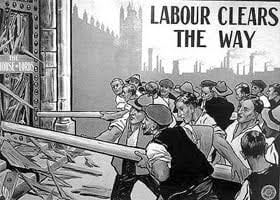
The Labour Party was founded in 1900 as the Labour Representation Committee. It has held annual conferences since then, taking on the name “Labour Party” in 1906.
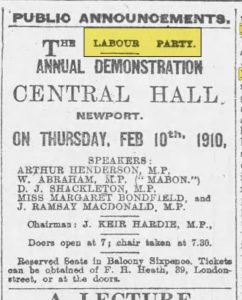
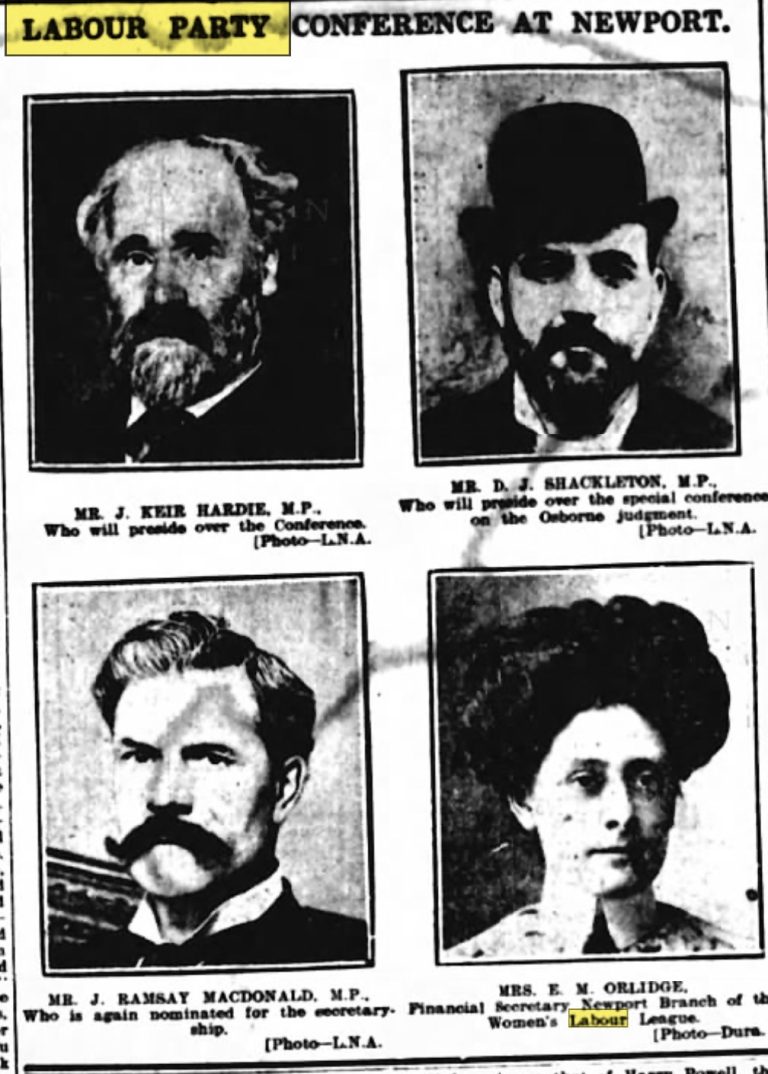
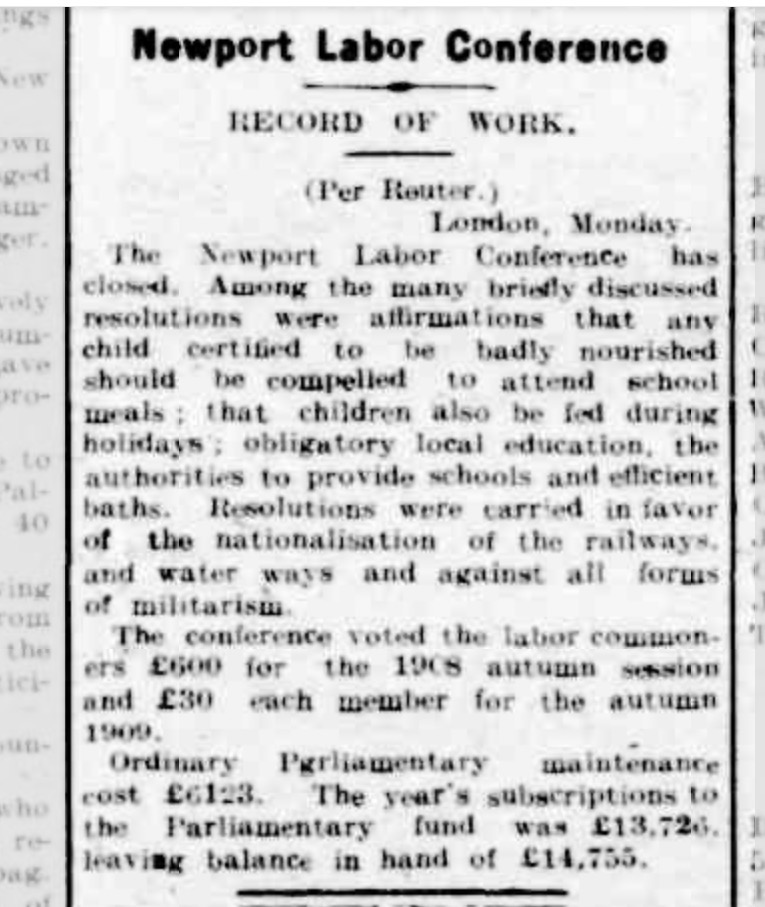
The 1910 annual national gathering of the British Labour Party took place from February 9 to 11, 1910, in the Central Hall, Newport. Chaired by the former party leader Keir Hardie, the conference addressed key political challenges following the January 1910 general election and debated major domestic reforms. The new party had returned 40 MPs at the general election. 400 delegates attended the Conference representing trade unions, the Fabian society, local party organisations and for the first time, the Miners’ Federation of Great Britain.
Key Context and Topics
- Electoral Landscape: The party met shortly after a general election that returned 40 Labour MPs to Parliament, solidifying their role alongside the Liberal government.
- The Osborne Judgment: Delegates intensely debated the 1909 legal ruling that blocked trade unions from using political funds to back Labour MPs, threatening the party’s financial survival.
- Social Reform: Discussions focused on pressing issues, including the Right to Work Bill, Poor Law reform, hunger and unemployment assistance.
Opening the conference Keir Hardie pointed to the rise of the Labour Party from 70,000 votes in 1900 to over 500,000 in 1910 increasing the number of MPs from 2 to 40. He said “Ten years ago the vision of the nation was streaked with war and its mind inflamed by the mad passion of war. Unemployment, old age pensions, the sweated woman and the starving child had no place in the thoughts of legislators. Now no party dare make appeal without professional of at least lip sympathy to the cause of social reform.”
There were some fascinating debates that ultimately influence the future direction of the Labour Party. A motion calling for the Party to be called ‘Labour and Socialist’ was roundly defeated.
Motions were passed extending maternity leave from four to six weeks, calling for the abolition of the House of Lords and a fairer electoral system including the enfranchisement of women. There was a lively discussion about Catholic schools with the Party confirming their support for secular education despite strong opposition.
Financial support for MPs was agreed as MPs were unpaid (the law changed in 1911).
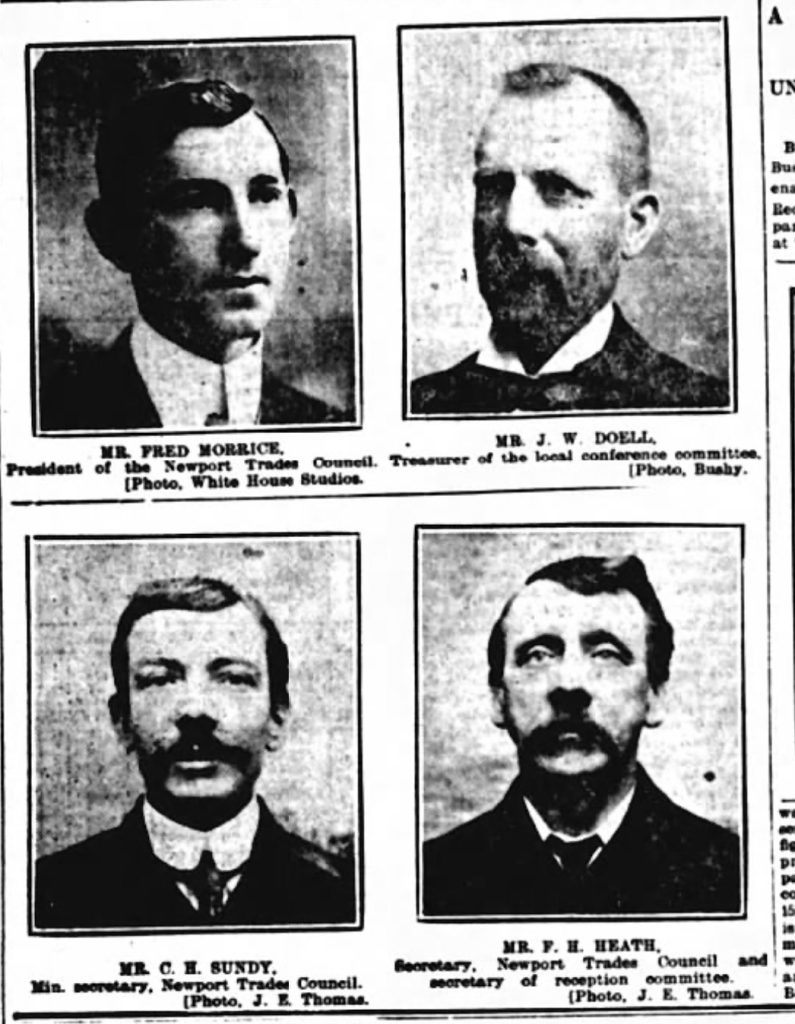
Though electorally successful, and with leaders effectively articulating the concerns of organised labour in the Commons, the organisation of the Labour Party at this stage was threadbare. At a local level, trades councils (and occasionally local ILP organisations) were the Party’s only presence and (frequently in cooperation with the Liberals) selected and supported candidates for office. There were no individual Party members, and the national Party institutions – the Party’s Executive Committee and annual Party Conference – were formed of representatives of the affiliated unions and organisations.